
Plant-Based Fabrics: The Ultimate Guide to Buying Better Natural Textiles
As more people embrace sustainable fashion, plant-based fabrics are becoming a preferred choice for clothing that's comfortable, durable, and better for the environment. Made from natural fibers like cotton, linen, hemp, and bamboo, these textiles offer breathability and timeless style while reducing reliance on synthetic materials.
The shift toward these natural alternatives comes at a critical time. According to the a report by United Nations Environment Programme (UNEP), the textile industry produces 2% to 8% of global greenhouse gas emissions, uses 86 million Olympic-sized swimming pools worth of water a year, and leaves a sizeable chemical footprint. Embracing botanical textiles offers a powerful way to reduce this environmental burden.
In this guide, you'll learn what plant-based fabrics are, explore the best plant-based fabrics for clothing, compare the different types of plant-based fabrics, and discover how to choose high-quality natural textiles that suit your lifestyle and wardrobe.
What Are Plant Based Fabrics?

Plant based fabrics are textiles made from natural plant fibres rather than synthetic, petroleum-derived materials. Cotton, linen, hemp, and bamboo are the most familiar examples, but the category also includes newer regenerated fibres like Tencel, which start with a plant-based source (wood pulp) and go through processing to become fabric.
At the core, these fibres come from renewable resources. Cotton is harvested from cotton plants, linen from the flax plant, hemp from the hemp plant, and bamboo from bamboo grass. Because these crops can be regrown season after season, they stand in direct contrast to synthetic fibres like polyester, nylon, and acrylic, which are manufactured from fossil fuels and don't renew themselves in the same way.
The difference between natural and synthetic fibres isn't just about origin, either. Natural plant fibres are typically more breathable, biodegrade over time, and don't shed the same volume of microplastics that synthetic fabrics do when washed.
Synthetic fibres, on the other hand, are prized for cost, stretch, and wrinkle resistance, but they trade that convenience for long-term environmental persistence. When people search for "what are plant based fabrics" or "plant based natural fabrics," this is usually the distinction they're trying to understand before making a purchase.
Why Plant-Based Fabrics Are Redefining Luxury Fashion
Luxury fashion used to be defined almost entirely by exclusivity and craftsmanship. Increasingly, it's also defined by what a garment is made of and how it was made. Plant-based fabrics fit naturally into this shift because they check several boxes at once: sustainability, comfort, breathability, and durability.
- Eco-conscious shopping has moved from niche to mainstream. Buyers, especially in the resort and travel wear space, are asking where a fabric came from and how it was processed before they ask about the label.
- Comfort is another major driver. Natural fibres tend to feel better against the skin over long wear, especially in hot or humid climates, which matters enormously for travel clothing.
- Breathability is where plant fibres genuinely outperform most synthetics. Cotton, linen, and hemp all allow air to move through the weave, which keeps the body cooler and reduces that clammy feeling synthetic blends often cause.
- Durability rounds it out. Well-made plant-based garments, particularly linen and hemp, don't just survive repeated wear and washing, they often improve with it.
Put together, these qualities explain the premium feel buyers associate with natural textiles, and why reduced dependence on petroleum-based fibres has become a genuine selling point in luxury fashion, not just a footnote.
Types of Plant-Based Fabrics Worth Knowing

If you're comparing types of plant-based fabrics before a purchase, here's the shortlist that actually shows up in quality clothing.
Organic Cotton
Organic cotton is grown without synthetic pesticides or fertilisers, which makes it gentler on skin and on the land it's grown on. Its benefits include softness, breathability, and hypoallergenic properties, making it ideal for everyday wear like t-shirts and undergarments. Its luxury appeal comes from the long-staple varieties used in premium collections, which produce a smoother, more refined finish than standard cotton.
Linen
Linen, made from the flax plant, is prized for its cooling effect and exceptional breathability. It absorbs moisture without feeling damp against the skin, which is exactly why it's a staple for resort wear in hot climates. It also softens with every wash, so a well-made linen piece only gets more comfortable over time.
Hemp
Hemp fibre is notably strong, holds up to heavy use, and requires relatively little water to grow compared to many other crops. It's a fabric built for longevity rather than delicacy, which is why it shows up in outerwear and structural everyday pieces.
Bamboo
Bamboo is often marketed as an eco fabric, but its sustainability really depends on how it's processed. Mechanically processed bamboo (sometimes labeled bamboo linen) retains much of the plant's natural, low-impact profile. Chemically processed bamboo viscose, however, involves intensive chemical treatment that reduces the environmental benefit significantly. It's worth checking which process was used before assuming a bamboo garment is automatically sustainable.
Ramie
Ramie is a lesser-known plant fibre with a natural sheen and strength similar to linen. Luxury brands favor it for its crisp drape and resistance to bacteria and odor, which makes it useful in tailored, warm-weather pieces.
Tencel™ / Lyocell
Tencel is technically a regenerated cellulose fibre. It starts as wood pulp, then goes through a closed-loop manufacturing process that turns it into a soft, silky fabric. Because the source material is plant-based and the production process recycles most of its solvents, Tencel is widely included in sustainable fabric discussions alongside more traditional natural fibres.
Best Plant Based Fabrics for Clothing
Traditional Plant-Based Fabrics
Organic Cotton
-
Softness Level: High and gentle on sensitive skin.
-
Best Use: Everyday t-shirts, undergarments, and casual dresses.
-
Environmental Impact: Grown without toxic synthetic pesticides, saving significant amounts of water compared to conventional cotton when farmed responsibly.
Linen (Flax)
-
Breathability: Maximum airflow with high moisture absorption, up to 20% of its own weight.
-
Best Use: Warm-weather shirts, trousers, and summer suits.
-
Durability: Becomes softer and stronger with every wash.
Hemp
-
Strength: Up to three times stronger than cotton fibre.
-
Best Use: Outerwear, durable trousers, and structural everyday wear.
-
Sustainability: Grows rapidly with minimal water and naturally enriches the soil it's grown in.
Modern & Eco-Advanced Plant Fabrics
Tencel (Lyocell)
-
Texture: Silky, fluid drape with a cool-to-the-touch feel.
-
Best Use: Flowy dresses, active loungewear, and lightweight shirts.
-
Production: Made from sustainable wood pulp using a closed-loop system that recycles the vast majority of its solvents.
Bamboo (Mechanically Processed / Linen)
-
Properties: Naturally moisture-wicking and antibacterial.
-
Best Use: Innerwear, socks, and soft knit garments.
-
Note: Choose mechanical bamboo linen rather than chemically intensive bamboo viscose for genuine sustainability.
Plant-Based Fabrics vs. Synthetic Materials: Durability, Honestly
Not every synthetic fabric is bad, and not every plant-based fabric is perfect. But when it comes to how a garment performs over years of wear, and what happens to it afterward, the two categories diverge sharply.
|
Plant Based Fabrics |
Synthetic Fabrics |
|
Renewable |
Petroleum-based |
|
Breathable |
Less breathable |
|
Biodegradable (many) |
Can persist for decades or longer |
|
Comfortable |
Often traps heat |
|
Lower microplastic shedding |
May release microplastics |
How to Identify Genuine Plant-Based Fabric Products
Buying the real thing takes a bit of attention, especially with blended fabrics on the market. A few practical things to check:
- Climate: Consider where you'll actually wear the piece. Linen and hemp perform best in hot, humid conditions, while heavier cotton weaves suit cooler climates.
- Travel: For travel wear specifically, look for fabrics that resist wrinkling reasonably well or that wrinkle in a way that reads as intentional and relaxed, rather than sloppy, since linen's characteristic creasing is part of its charm.
- Luxury occasions: Ramie and long-staple organic cotton tend to hold a crisper, more refined look for dressier settings.
- Durability: Check the weave. A tightly woven natural fabric will generally outlast a loosely woven one, regardless of fibre type.
- Wrinkles: Expect some. Genuine linen and hemp will crease; heavy synthetic finishes are often used to disguise cheaper fabric, so a suspiciously wrinkle-free "linen" piece is worth a second look.
- Maintenance: Genuine plant-based garments usually come with specific care instructions, since they respond differently to heat and detergent than synthetic blends do. If a label is vague on care, that's often a sign the fabric content isn't what it claims.
Where to Buy Sustainable Plant-Based Fabric

Sourcing genuine plant-based textiles usually means looking beyond fast fashion racks. Certified organic cotton retailers, dedicated linen and hemp specialty brands, and smaller ateliers that disclose their sourcing are all reliable starting points. A few worth knowing:
-
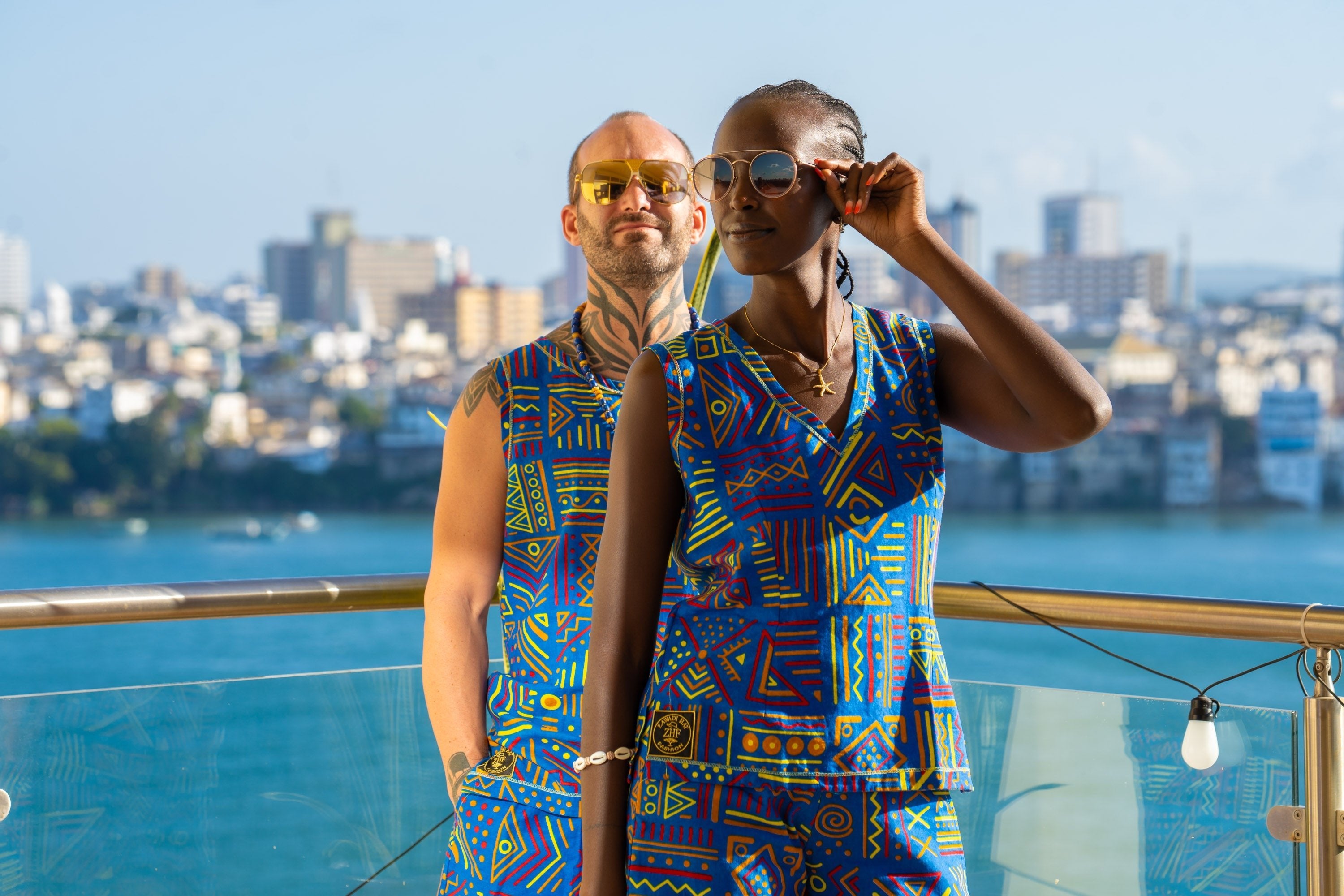
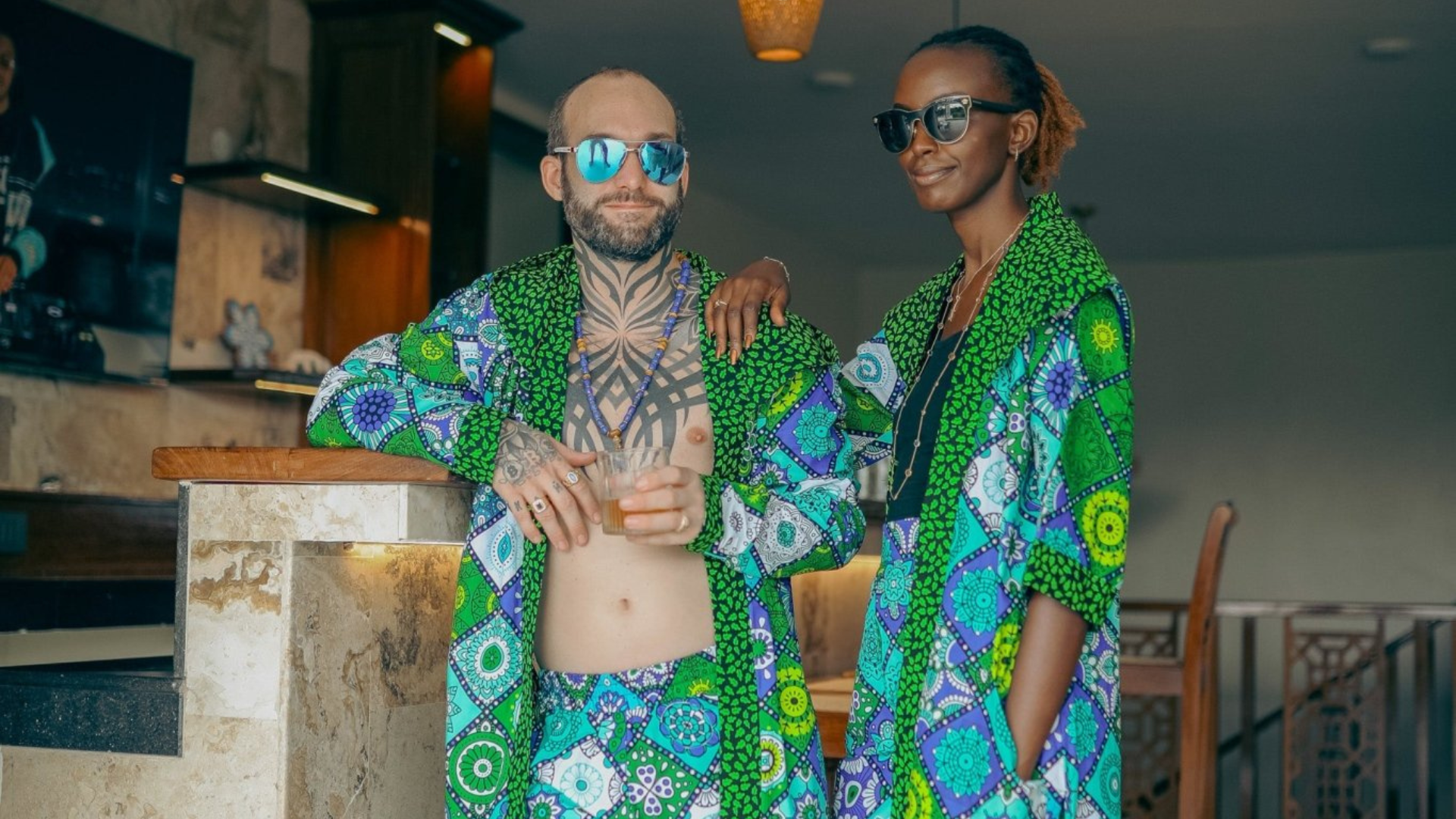
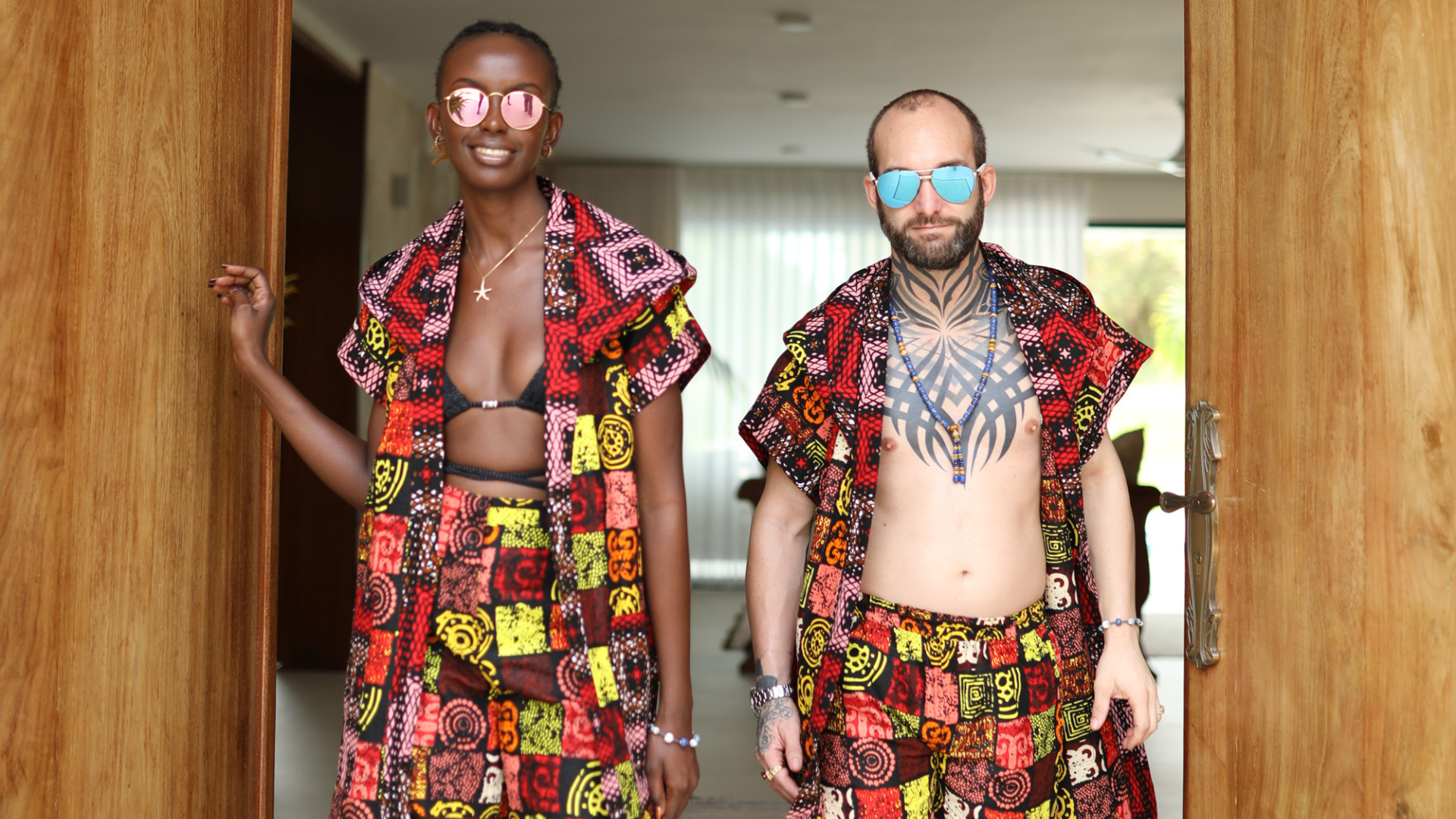
Zawadi Hat Fashion: For buyers who want plant-based fabric paired with intentional design. Each piece is hand-cut in Kenya from African print, kikoi, and wax cotton, produced in strictly limited collection drops rather than mass runs. For anyone building a travel or resort wardrobe around natural textiles, it's a brand worth knowing.
-
Core Fabrics: Useful for its filtered eco-index, which makes it easier to shop specifically by fibre content and sustainability criteria.
-
Organic Fabric Company: A dedicated source for certified organic cottons, good for buyers who want assurance on growing practices.
-
Lebenskleidung: Specializes in GOTS-certified international textiles, a solid option for shoppers prioritizing formal certification.
How to Care for Plant Based Fabrics
Natural fibres reward a little extra care, and in return, they last considerably longer.
-
Wash gently: Use a mild detergent and a gentle cycle, or hand wash where possible.
-
Air dry where practical: Line drying preserves fibre strength and reduces shrinkage.
-
Avoid excessive heat: High heat, whether from washing or drying, breaks down natural fibres faster than moderate temperatures.
-
Store properly: Fold rather than hang heavier pieces to avoid stretching, and keep garments away from direct sunlight during storage.
-
Follow care labels: Different plant fabrics, cotton, linen, hemp, bamboo, each have slightly different tolerances, so the label is worth reading rather than guessing.
Conclusion
Plant-based fabrics bring together comfort, sustainability, luxury, and durability in a way that's genuinely hard to match with synthetic alternatives. They breathe better, they age well, and for many buyers, they simply feel better to wear season after season.
If you're building a wardrobe around pieces that are as thoughtful as they are wearable, Zawadi Hat Fashion is worth a look. The brand brings together careful craftsmanship, timeless African-inspired design, and carefully selected natural fabrics, made for a life that moves between destinations without compromising on comfort or style.
Frequently Asked Questions (FAQ)
-
What are plant based fabrics?
Plant based fabrics are textiles made from natural plant fibres, such as cotton, linen, hemp, and bamboo, rather than synthetic materials derived from petroleum.
-
What are the best plant based fabrics?
Organic cotton, linen, and hemp are among the most reliable choices, valued for their breathability, comfort, and durability across different climates and uses.
-
Which plant based fabrics are best for clothing?
Organic cotton works well for everyday wear, linen suits warm-weather and resort clothing, and hemp is ideal for durable outerwear and structural pieces.
-
Are plant based fabrics biodegradable?
Many plant-based fabrics, including untreated cotton, linen, and hemp, are biodegradable, though heavily processed or chemically treated versions may biodegrade more slowly.
-
Are plant based fabrics better than polyester?
In terms of breathability, comfort, and microplastic shedding, plant-based fabrics generally outperform polyester, though polyester can offer more stretch and wrinkle resistance.
-
Which plant based fabric lasts the longest?
Hemp is widely considered one of the most durable plant-based fabrics, thanks to its fibre strength, though well-maintained linen also lasts for years.
-
Is bamboo considered a plant based fabric?
Yes, bamboo is a plant-based fabric, but its sustainability depends heavily on processing method, with mechanically processed bamboo linen being the more eco-friendly option compared to chemically produced bamboo viscose.

Hinterlasse einen Kommentar
Diese Website ist durch hCaptcha geschützt und es gelten die allgemeinen Geschäftsbedingungen und Datenschutzbestimmungen von hCaptcha.